A coin collection tells a story: of travels taken, of history preserved, or of a family legacy passed down through generations. But it only tells that story when it is displayed beautifully and protected properly. Whether you have inherited a single treasured coin or spent years building a set from around the world, the way you display your coins turns small pieces of metal into meaningful focal points in your home.
The challenge every collector faces is balancing two competing needs: protecting your coins from damage while keeping them visible and accessible enough to enjoy every day. Poor display choices can lead to tarnishing, scratches or environmental damage that diminishes both beauty and value. The right display, by contrast, preserves your collection while showing off its significance.
This guide walks you through everything you need to know about displaying coins: the different display methods, how to choose the right case, how to arrange coins for maximum impact, and how to keep them well over time. At Bright Ivy, we help collectors and gift-givers find a coin display case that honours their coins while fitting beautifully into their homes.

Why proper coin display matters
Displaying a coin collection well is not only about aesthetics, it is fundamental to preservation. Coins are remarkably vulnerable to environmental damage. Silver can begin to tarnish within months of exposure to air, and copper oxidises even faster in humidity. The oils in a fingerprint contain acids that etch permanent marks into a coin's surface, and dust creates micro-scratches every time a coin is handled. Materials matter too: soft PVC-based holders can release chemicals over time, causing the irreversible green residue known as "PVC disease".
Beyond protection, good display transforms how you experience your collection. A well-arranged display tells a visual story, whether that is a nation's history through its currency, your travels through foreign coins, or family heritage through inherited pieces. Displayed beautifully, a collection becomes a conversation piece and a source of daily pleasure, functional art in your home.
There is a practical angle too. Proper display and storage directly affects resale value: coins kept in archival-quality displays with documented provenance tend to command more than those stored haphazardly. If your collection is valuable, photographing your display also serves insurance purposes, providing a visual record of condition and arrangement.

Types of coin display methods
The right display method depends on your collection size, the value of individual coins, the space you have, and how you want to experience your collection day to day. Each type offers distinct advantages.
Display cases for single coins
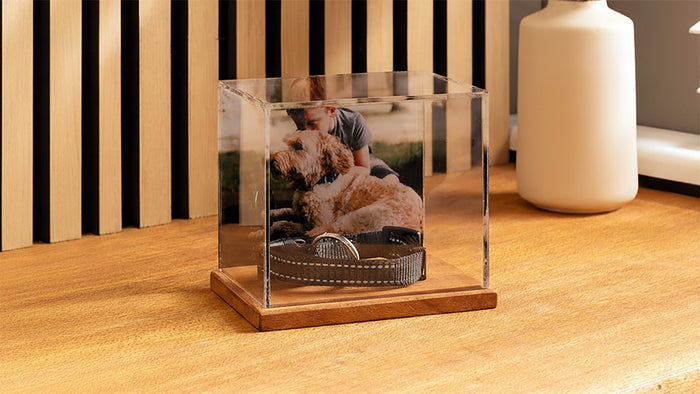
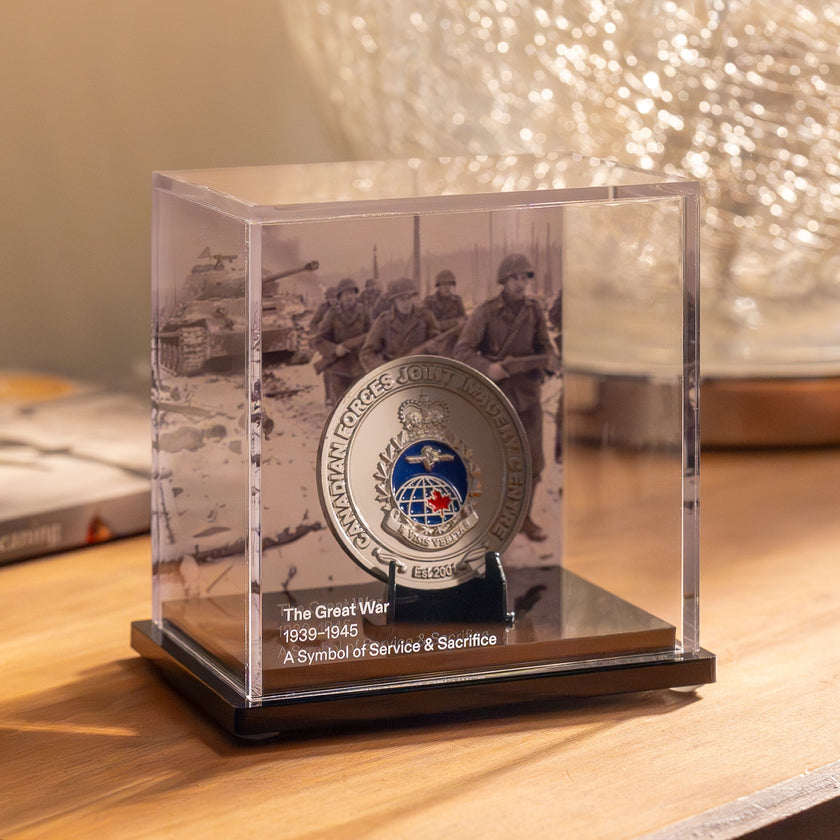
A display case for a single coin is the gold standard for collectors who want both protection and presentation. These cases pair a choice of base with a stand and a crystal-clear acrylic case, letting you view both the obverse and reverse without any handling: you simply turn the case round to see the other side.
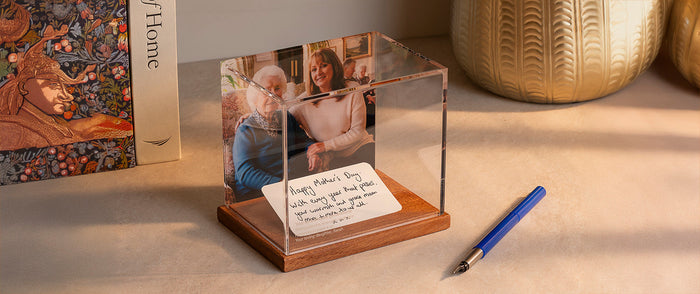
The case also lets you upload your own background to complement the coin and set the scene for your collectable. Personalised HD UV printed text is a premium option that adds context, such as a name, a date or a short message. Cases stack neatly for storage, making them ideal for collectors with multiple sets or plans to expand, and they sit equally well on a shelf, a desk or in a cabinet. They suit Olympic commemorative sets, family inheritance pieces, or curated selections from a larger collection.

Wall-mounted display frames
Wall-mounted frames turn coins into gallery-worthy art, maximising visual impact while conserving surface space. They range from simple shadow boxes to sophisticated multi-frame arrangements, and wall mounting keeps valuable coins secure and out of casual reach while remaining visible across the room.
When choosing wall-mount frames, depth is crucial: allow at least 10mm more depth than your thickest coin so there is no pressure on the coin face. Materials matter too. Wooden frames offer traditional elegance and stability, acrylic frames bring modern minimalism at a lighter weight, and metal frames deliver a contemporary, secure feel.
Installation calls for care over both wall integrity and environment. Avoid exterior walls in humid climates, where moisture can penetrate to your coins, and favour interior walls for their steadier conditions. Consider lighting angles too: enough to appreciate the detail, without direct sunlight that accelerates degradation. Wall displays shine for themed presentations, whether a gallery wall of different countries and periods, or a single significant collection as a room's focal point.

Collector albums and folders
Less display-focused than cases or frames, albums and folders still serve essential roles, particularly for active collectors with large collections or coins still being catalogued. Albums excel at practical storage, letting you sort systematically by year, country, denomination or type while keeping coins protected in individual pockets.
Their main advantage is accessibility. You can quickly locate a specific coin, add new acquisitions, and reorganise as the collection evolves. They also travel to coin shows or appraisers far more easily than display cases. The trade-off is visibility: albums usually live on a shelf or in a drawer, so you have to retrieve them to enjoy your collection. Many collectors adopt a hybrid approach, using albums for bulk storage while displaying the highlights in cases or frames, then rotating pieces through the display to keep it fresh.
Shadow box displays
Shadow boxes offer the most creative flexibility for collectors who want to tell a richer story. These deep-set frames accommodate not just coins but complementary items: vintage photographs, historical maps, relevant documents, period stamps or other memorabilia that provide context and depth. A shadow box turns individual coins into chapters of a larger story.
Their extra depth allows layered compositions. You might mount coins against a background photograph from the era they represent, or arrange them alongside postcards from the countries where they were minted. Use archival backing in colours that complement your coins: deep blue flatters silver, while burgundy or forest green suit gold and copper. Add small printed cards with dates, mintage information or personal notes, and layer elements at different depths for dimensional interest.
Shadow boxes work brilliantly for gifting, whether a retirement gift showing coins from significant years, an inheritance display combining family coins with photographs, or a milestone piece pairing a birth-year coin with a newspaper clipping, and custom HD UV printed text can dedicate the display or explain its significance.

How to choose the right display case for your coins
Choosing the ideal display case means balancing several factors: your collection's current size and likely growth, the physical dimensions of your coins, the protection they need, your space, and your budget. Working through these systematically helps you land on a solution that serves both today's needs and tomorrow's.
Collection size and growth planning
Count the coins you want to display now, then be honest about how quickly the collection might grow. If you acquire regularly, choose displays with room to grow, cases that look attractively full today but leave space for more. Modular or stackable systems let you add units without replacing everything. For static collections, such as an inherited set or a completed series, you can size the display precisely to what you have.
Coin dimensions and compatibility
Measure your largest and smallest coins before you shop. Sizes vary widely, from tiny 15mm pieces to 40mm-plus commemoratives and medals. Most cases accommodate standard sizes, but check both diameter and thickness, as some modern commemoratives are surprisingly thick. If your collection spans a range of sizes, prioritise adjustable dividers or use different cases for different categories.
Material quality and protection
Match the material to your coins' value and your environment. For valuable or rare coins, invest in museum-quality displays with UV-protective glazing, archival lining and solid construction. Wood cases, particularly oak and hardwood, offer excellent protection with classic looks and naturally regulate moisture. Acrylic cases deliver crystal-clear visibility from every angle, lightweight and durable, though acrylic scratches more easily than glass, so handle it with care during cleaning. Metal cases with foam inserts suit collectors who transport coins frequently and need maximum security, at the cost of some aesthetic warmth.
Environmental considerations
Your display location shapes the material choice. Humid rooms near bathrooms or in basements call for better seals and moisture-resistant materials. Areas with direct sunlight demand UV-protective glazing. High-traffic spots where a case might be knocked need sturdy construction and secure closures. Coins in a climate-controlled room with little light can use simpler, less expensive displays without compromising preservation.
Aesthetic integration
Your display case becomes part of the room, so consider your existing furnishings. Traditional wood suits classic interiors, libraries and studies, while sleek acrylic or metal complements contemporary, minimalist spaces. Finish matters too: dark woods bring gravitas, lighter woods feel casual and approachable, and black or white frames offer modern versatility. Think about viewing angle as well, whether the case sits on a desk viewed from above, wall-mounted and seen straight on, or on a shelf viewed from below.
Personalisation for gifting
If you are buying a display case as a gift for a collector, personalisation turns it from practical to deeply meaningful. Custom HD UV printed text can add the recipient's name, a significant date such as a retirement or milestone birthday, or a short message, letting you create a one-of-a-kind piece that honours both the collection and the person who has cherished it.

Step by step: creating your coin display
Once you have chosen the right case, a beautiful and protective arrangement comes down to careful preparation and thoughtful organisation.
1. Clean and prepare your coins
Handle coins by their edges only, never touching the face or reverse, as the oils on your skin etch permanent fingerprints. For valuable or rare coins, wear cotton archival gloves for any handling. Then a firm word of caution: for numismatically valuable coins, never attempt cleaning yourself. Improper cleaning destroys collector value more surely than almost any other mistake, and even gentle wiping can create hairline scratches that reduce grading and worth.
For common circulation coins kept purely for enjoyment, gentle cleaning may improve appearance. Use only distilled water and a soft, lint-free cloth, pat rather than rub, and allow coins to air-dry fully before placing them in a case, since trapped moisture accelerates tarnishing. If a coin shows significant tarnishing or corrosion, consult a professional conservator before attempting any restoration.
2. Organise your collection
Before placing coins, plan the arrangement, as it affects both visual impact and how well the display tells its story. Common approaches include:
- Chronological: display coins in date order for a visual timeline, ideal for single-country collections. Place the oldest at the top or left, progressing to the newest.
- Geographic: group by country or region, which suits travel collections and world sets. Consider arranging by continent, then by country.
- Thematic: organise by subject, such as monarchs, wildlife, commemorative events or landmarks, for a cohesive display with a strong narrative thread.
- Value or size: arrange by denomination or physical size for a satisfying visual rhythm.
- Visual composition: where aesthetics lead, alternate silver and copper tones, create symmetry, or set your most impressive pieces as focal points.
Whatever you choose, plan the layout first. Cut paper circles to the size of each coin and arrange them on the case backing to visualise the composition without repeatedly handling the coins. Position your most valuable, striking or sentimental pieces centrally, with a little space around them so they draw the eye without competition.
3. Arrange coins in the case
With your plan finalised, work deliberately and methodically, since rushing means removing and repositioning coins and handling them more than necessary. If you are using a compartmentalised case, check each coin fits its space comfortably before placing it: coins should sit securely without rattling, but not so tightly that removal damages the edges.
Secure coins properly to prevent shifting. Archival-quality methods include clear acrylic coin holders fixed with acid-free adhesive, inert coin capsules mounted into custom cut-outs, or museum putty made specifically for collectables. Never use household adhesives or tapes, which can off-gas and damage metal over time. For framed displays, think about glare before you finalise placement: coins often look best angled slightly to catch ambient light across the relief, but not so much that reflections obscure the design. A helpful approach is to create your final arrangement outside the case first, then place the coins in one deliberate sequence.
4. Add context so your display tells a story
The difference between "a coin collection" and "a coin display" is context. Coins are small objects, and without meaning they can look like plain metal discs to anyone not already invested. A little context makes the display instantly understandable and far more powerful. Simple ways to add it include:
- A small printed plaque or label with dates and names
- A short "why this matters" note inside a shadow box
- Grouping coins around a theme, such as service, travel, family heritage or milestones
- Pairing coins with a supporting item: a photo, a document, a medal or a map
This matters most for collections in shared spaces, where a display should invite questions rather than require explanation. For gifting, context is everything: a coin shown with a name and date becomes a tribute, whereas without it, it can look like a nice but impersonal object.
The "hero coin" method
Many collectors have shelves of coins but only a handful that truly matter. If you want a display that feels intentional and emotionally resonant, one of the best approaches is to select the single most meaningful coin, the "hero coin", and give it its own dedicated display. That might be:
- A challenge coin earned through service
- A retirement commemorative coin
- A coin inherited from a parent or grandparent
- A birth-year coin for a child
- A coin marking a major milestone or achievement
- A coin from a trip or moment that changed your life
This works because it shifts the display from "how many coins do I own?" to "what story do I want to honour?" A single-coin display case also has practical advantages: minimal handling, less exposure to air and humidity, easier long-term protection, and a more striking presence in the home. At Bright Ivy, many customers use our cases to preserve one coin that represents something deeply personal, especially when it is paired with HD UV printed text that captures the meaning in a few words.

Frequently asked questions
Should I clean my coins before displaying them?
If coins are valuable or collectible-grade, it is best not to clean them. Cleaning often reduces collector value and can permanently scratch surfaces. For sentimental coins, minimal handling and dry storage usually matter more than making them look shiny.
How do I stop coins from tarnishing?
You cannot fully stop natural tarnish, but you can slow it dramatically by limiting humidity, avoiding direct sunlight, reducing air exposure and using archival-safe materials.
What is PVC disease?
Soft, flexible PVC plastics can release chemicals over time that damage coins and leave a green residue. Avoid PVC sleeves, especially for long-term storage.
Is it okay to display just one coin?
Yes, and it is often the most meaningful approach. A single coin with context and personalisation can be more powerful than an entire collection without a story.
Final thoughts: protect the coin, honour the story
A well-made display preserves both the condition of your coin and the meaning behind it, whether that meaning is history, family, service, travel or a personal milestone. If you have a large collection, consider a hybrid approach: keep the majority organised in albums or archival storage, while giving your most meaningful coin a dedicated display where it can be appreciated daily.
Coins are small, but what they represent often is not.
At Bright Ivy, we specialise in personalised display cases designed to protect and elevate the things that matter most. If you are ready to create a display worthy of your coin's story, explore our personalised display case for coins.